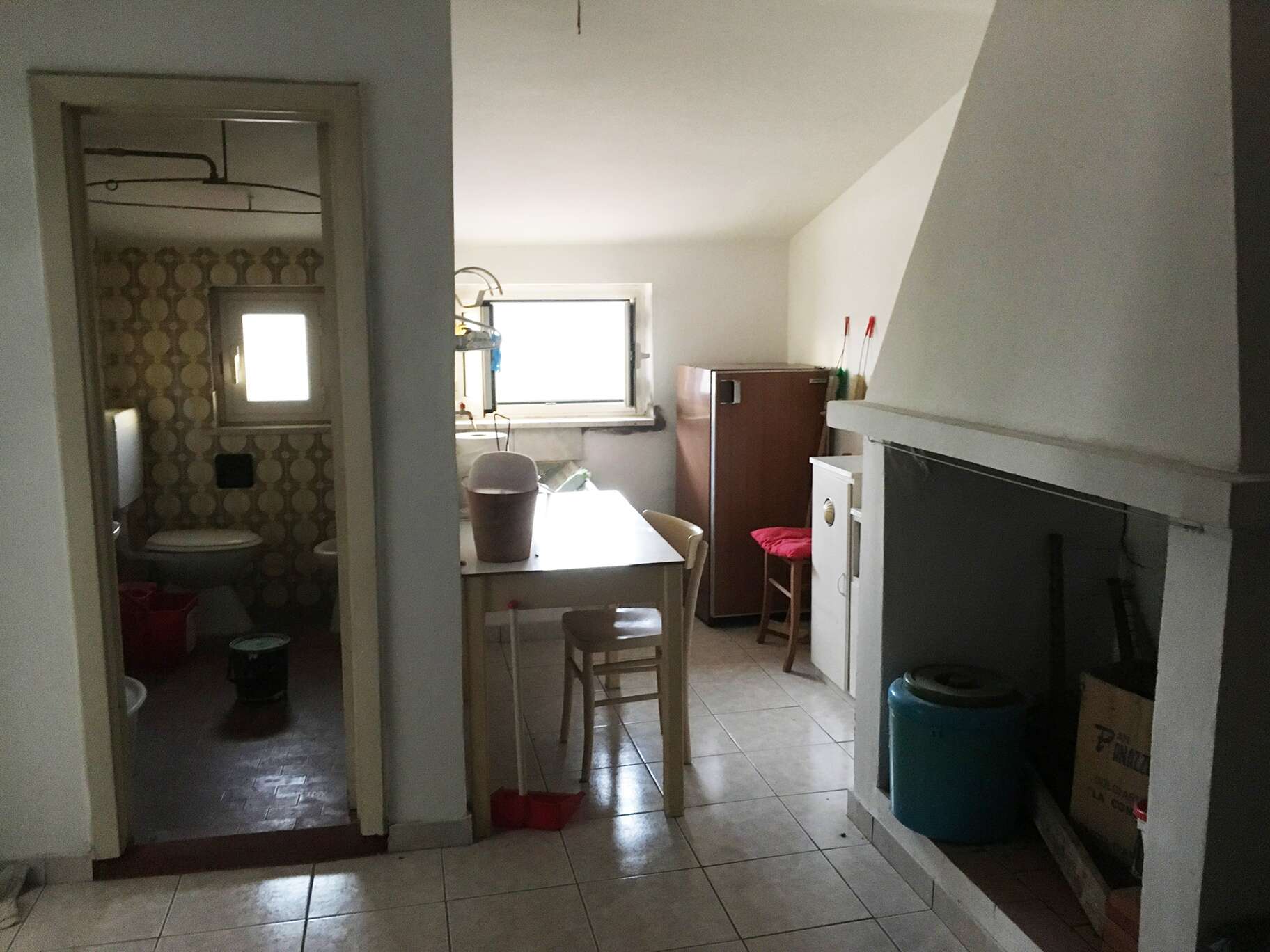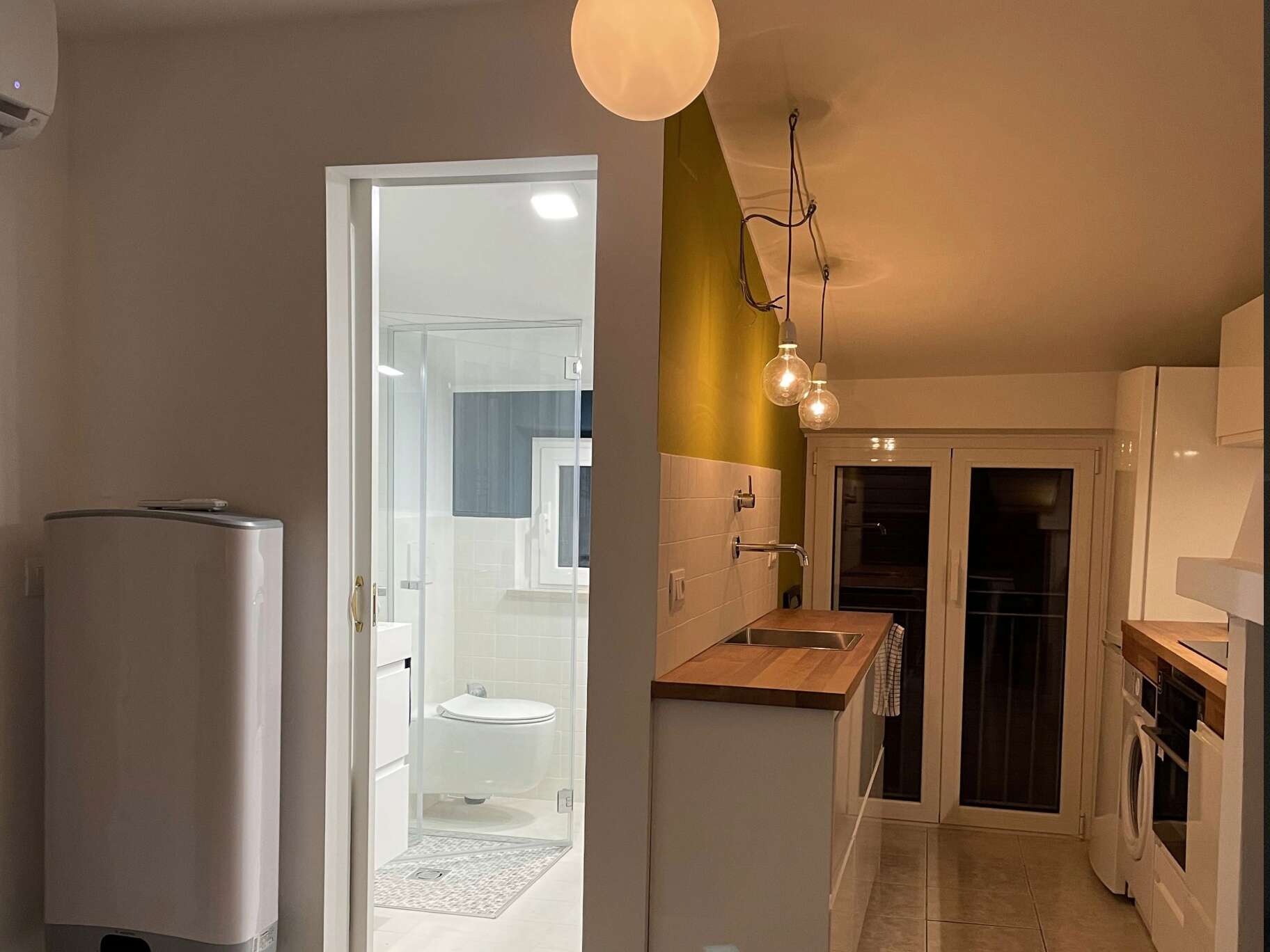
HOUSE RENOVATION
Renovating a property in Italy – what should you know?
Do you dream of buying an old Italian house and restoring it? Many are drawn to charming stone houses, historic buildings, and apartments with great potential. Carrying out the renovations yourself might seem like an affordable solution, but the reality is often more complicated than one imagines.
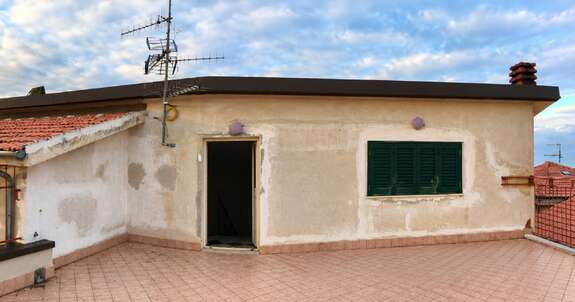
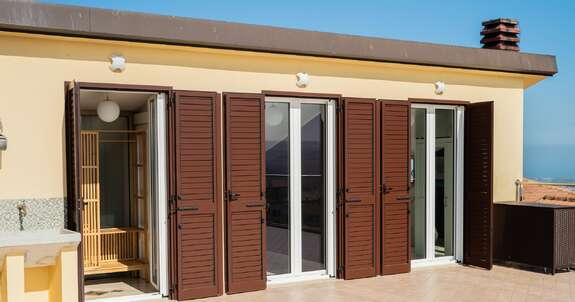
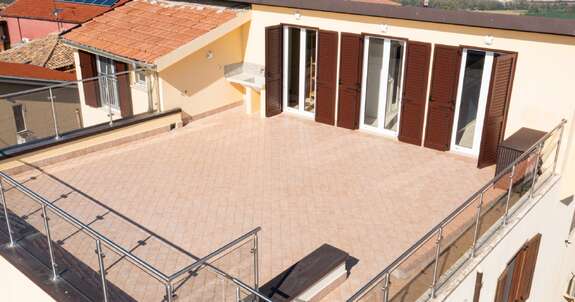
Can you carry out renovations yourself?
Yes, but it is important to be familiar with Italian laws and regulations. Simpler tasks, such as painting and minor maintenance, can generally be done on your own. More extensive projects—such as altering the layout of rooms, replacing technical installations, or working on load-bearing structures—may require both professional contractors and official permits.
Permits and bureaucracy
Italy has an extensive set of regulations governing construction work. Depending on the scope of the project, you may need a *CILA*, *SCIA*, or *Permesso di Costruire* (building permit), all of which are processed by the local municipality.
For protected or heritage-listed buildings, as well as properties located in historic town centers, additional restrictions may apply. Even tasks such as replacing windows, changing the color of a facade, or working on a roof may require specific approval.
Consequently, a local *geometra* (a technical building consultant) or an architect is often an essential partner. They can examine the legal and technical status of the property, prepare the necessary documentation, and assist with the application process.
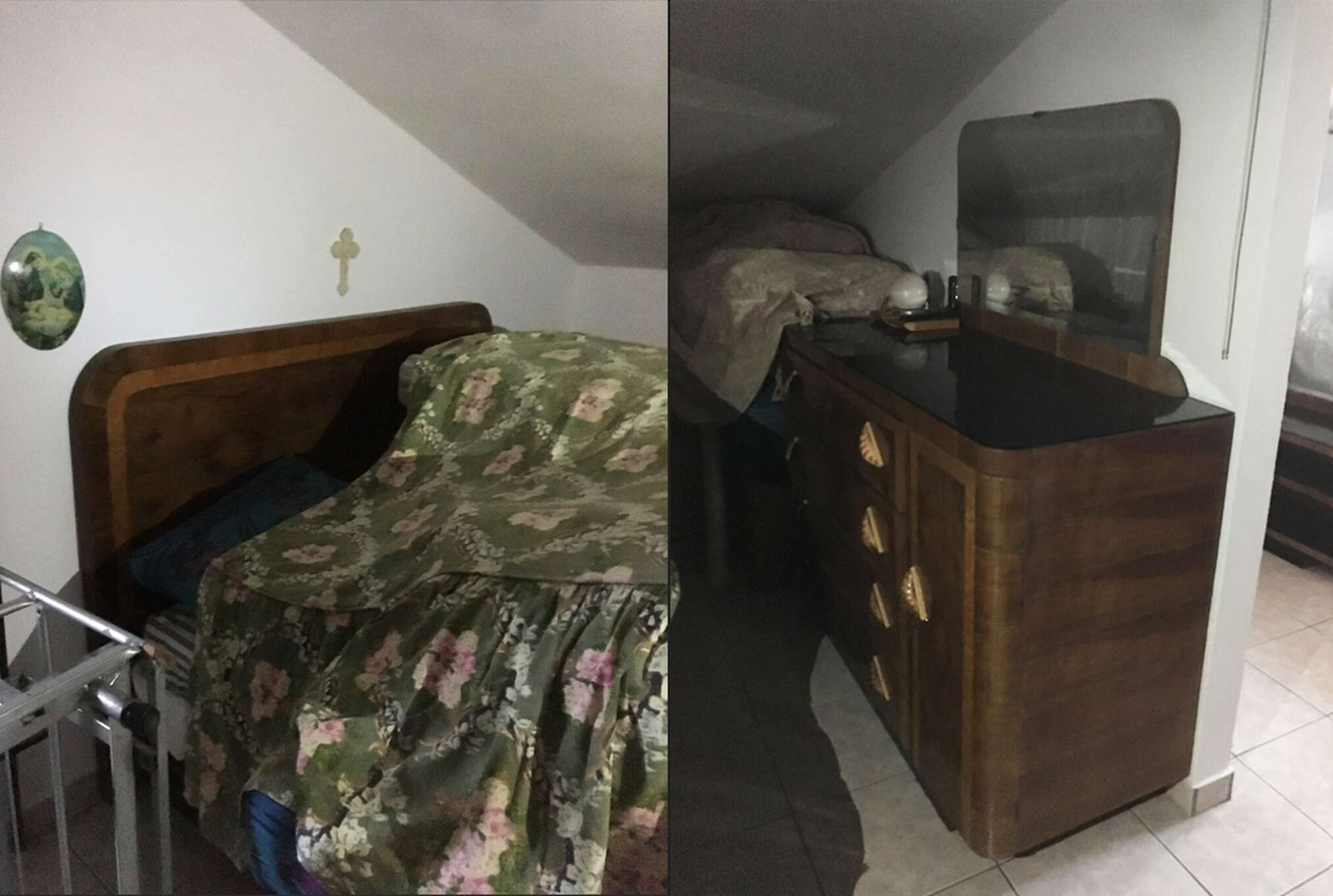
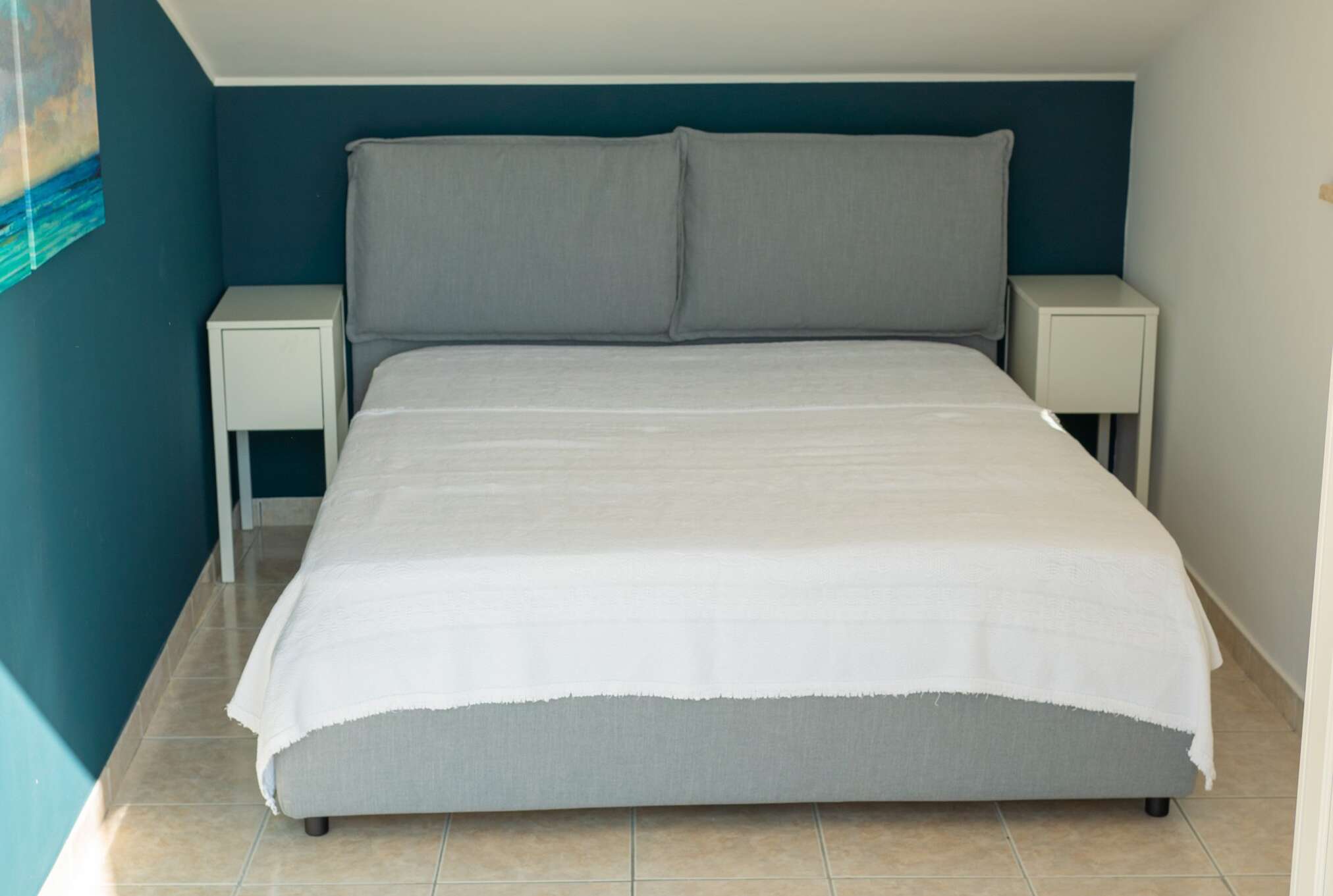
Is it cheaper to do the work yourself?
Not necessarily. While labor costs might be lower, renovation projects in Italy often entail unforeseen expenses. Old buildings can harbor issues such as damp, faulty electrical systems, structural weaknesses, or unauthorized alterations made by previous owners.
Furthermore, there are costs associated with hiring professionals, obtaining permits, purchasing materials, and dealing with potential delays. Coordinating tradespeople can also be challenging if you do not live in Italy full-time or speak the language.
Our advice
Always assess the condition of the property and verify which renovations are legally permitted before making a purchase. Obtain a professional assessment and a realistic cost estimate, and set aside a financial buffer to cover unexpected expenses.
Restoring an Italian property can be a fantastic project. With proper planning, the help of local professionals, and realistic expectations, an old house can be transformed into a beautiful home—all while preserving the building’s original charm.