Purchasing process
In Norway, the process from making an offer to signing a purchase contract and taking possession often moves quickly.
In Italy, the process is typically divided into several legal stages, with the proposta, compromesso, caparra, and rogito all playing a role in the buyer’s rights and obligations.
The various stages are outlined below. If there are no irregularities (see point 2), the process usually proceeds directly to point 4, where the purchase process begins.
1. Before placing a bid
Once you have found the property you wish to purchase, it is tempting to act quickly.
In Norway, a bid is part of a regulated bidding process; once a bid is accepted within the specified deadline, a binding agreement is formed.
In Italy, the process begins with a proposta d’acquisto – a written purchase offer specifying the price, the property, deadlines, and other terms and conditions.
Når du har signert en proposta d’acquisto er den bindende for deg som kjøper, og når selger skriftlig aksepterer tilbudet, utgjør det en foreløpig kjøpekontrakt.
That is why you should know what you are agreeing to before you sign.
2. Investigate the property
A home may look perfect during a viewing, but when purchasing property in Italy, it is essential to ensure that the documentation is also in order.
This applies particularly to older homes, country properties, and estates that have been renovated or extended over the years.
Among other things, you should verify that the property’s actual layout matches the official records and approved architectural plans, and that any subsequent work or alterations have been carried out and documented correctly. A terrace, storage shed, veranda, additional room, or swimming pool might appear to be a natural part of the property—but that does not necessarily mean that everything has been properly registered and approved.
The real estate agent will usually have an overview of this, but it may be necessary to involve a local surveyor, architect, or engineer to verify the property’s technical and structural documentation. The notary (see point 5) bears the ultimate responsibility. The notary will not proceed with the purchase or sale unless the documentation is in order.

3. Proposta – the first important step
When you wish to purchase a property, you submit a written offer, a proposta d’acquisto (see point 1).
This document specifies, among other things, which property you wish to buy, the price you are offering, and the terms and conditions that will apply (such as the handover date, whether furniture and fixtures are included, etc.). The offer is accompanied by a sum of money (a deposit), typically between €10,000 and €25,000.
IMPORTANT! A signed proposta d’acquisto can be legally binding for the buyer. Once the seller accepts it, it effectively becomes a preliminary purchase agreement between the parties. It is therefore crucial that any necessary reservations and conditions are included before you sign – not afterwards.
Once both parties have signed, the owner may no longer accept other offers.
4. Compromesso – the preliminary purchase agreement
The next step is often the contratto preliminare, commonly referred to as the compromesso.
This is a binding contract in which the buyer and seller commit to completing the transaction under the agreed-upon terms.
The contract typically specifies, among other things, the property to be purchased, the purchase price, payment terms, deadlines, and the date for the final transfer of ownership.
At this stage, a substantial deposit—known as a caparra confirmatoria—is often paid, typically amounting to 25%–30% of the property's price.
It is important to be aware that this is not merely a standard reservation of the property.
Caparra serves a legal function and can have financial consequences if one of the parties fails to fulfill the agreement:
If the buyer breaches the agreement, the seller may retain the caparra confirmatoria.
(However, the seller may also demand that the agreement be carried out or seek additional compensation. This follows from Article 1385 of the Italian Codice Civile.)
If the seller breaches the agreement, the buyer is, as a general rule, entitled to demand the return of double the amount of the caparra paid.
Example: If the buyer has paid €20,000 as caparra confirmatoria, and the seller subsequently refuses to complete the sale without a valid reason, the buyer may demand the return of €40,000.
5. The Notary – a key part of the property purchase
One of the most distinct differences between Norway and Italy is the role of the notaio – the notary.
In an Italian property transaction, the notary plays a central, legally mandated role. The notary is an independent legal professional and does not represent solely the buyer or the seller.
The notary conducts legal checks related to the transaction and prepares the final purchase contract.
6. Rogito – the day the house becomes yours
The final purchase contract is called a rogito notarile.
This marks the actual transfer of ownership, which takes place at the notary’s office.
The documents are reviewed, the purchase contract is signed, and the financial aspects of the transaction are finalized. The notary then handles the necessary formalities regarding the registration of the property transfer.
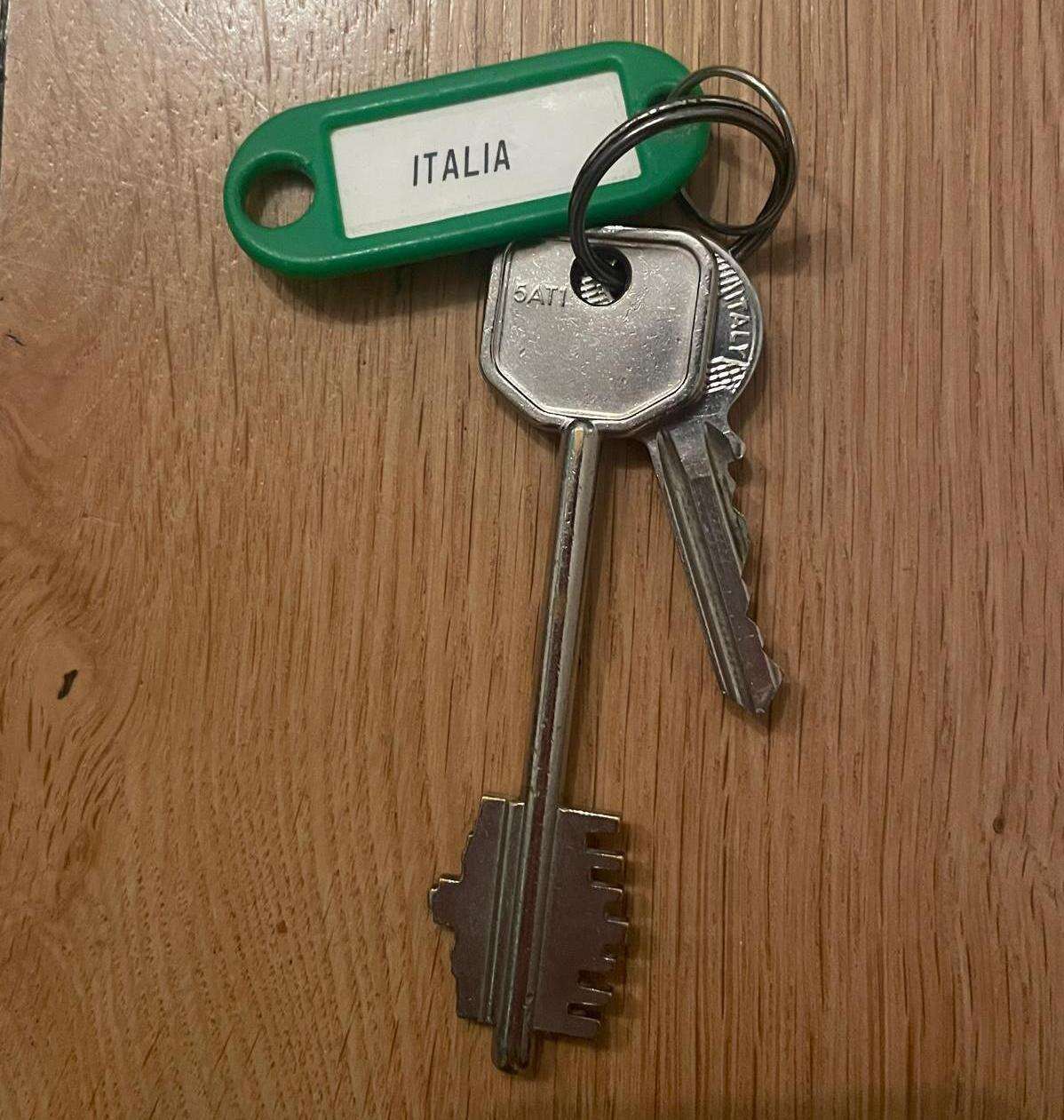
Once all documents have been reviewed, the notary has recorded the financial details, and verified that the funds have been received into the client account, the notary hands over the keys to the buyer.